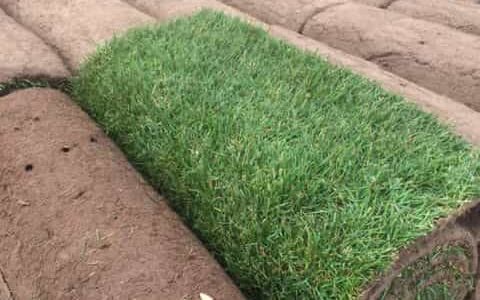
If you’re planning a new lawn, you’ve probably gone down the same Google rabbit hole as most people – turf or grass seed, or maybe even artificial grass. It sounds simple, but once you start comparing the options, it gets confusing fast.
Each one has its own pros and cons. Turf gives instant results, seed takes patience, and artificial grass promises no maintenance. But which one actually makes sense for your garden? Let’s break it down.
Why So Many People Choose Turf
Turf is the go-to for anyone who wants that instant, ready-to-use lawn. You roll it out, water it, and within a couple of weeks, it starts rooting into the soil. No waiting for tiny green shoots to appear. No patchy surprises. Just an even, lush stretch of grass that looks good straight away.
The main reason turf wins people over is how quickly it transforms a space. You can go from bare soil to a proper garden in a single afternoon. It also gives a much more consistent finish than seeding. Because it’s grown professionally under controlled conditions, the colour, texture, and density are already spot-on when it arrives.
For most homeowners, turf hits that sweet spot – fast results, long-lasting quality, and minimal fuss. Once it’s settled in, it’s as low-maintenance as any natural lawn. A bit of watering, a weekly mow, and you’re sorted.
When Grass Seed Makes More Sense
That said, grass seed still has a place. It’s cheaper upfront, and you get the freedom to choose the exact type of grass you want – something that tolerates shade, stands up to heavy foot traffic, or stays green during dry spells.
The catch? You need patience and good timing. Seeds don’t sprout overnight. You’re looking at several weeks before it starts looking like a lawn, and a few months before it’s strong enough for regular use. Birds can eat the seed, rain can wash it away, and uneven germination often means you’ll be overseeding patches later.
Still, if you’re happy to nurture it and you’re working on a large or low-traffic area, growing from seed can be quite rewarding. It’s a slower start, but it’s also the most customisable way to get a lawn suited to your specific soil and sunlight conditions.
The Truth About Artificial Grass
Now, let’s talk about artificial grass. It’s marketed as the “no-hassle” alternative – always green, no mowing, no mud. Sounds appealing, right? But here’s what people often find out after living with it for a while.
Artificial lawns don’t behave like real grass. They trap heat, so they can get surprisingly hot in summer. They also don’t absorb water naturally, which means drainage can be an issue unless it’s installed perfectly. And while they save you time on maintenance, they don’t age particularly well. After a few years, they can flatten, discolour, or start to look more like green carpet than grass.
Then there’s the environmental side. Most artificial grass is made from plastic and can’t be recycled. Once it’s worn out, it usually ends up in a landfill. So while it’s fine for small spaces or shaded balconies where real turf won’t grow, it’s not exactly a sustainable long-term choice for larger gardens.
Thinking About Your Garden Conditions
The best way to decide is to think about how your garden behaves day to day.
If you’ve got a lot of shade – say, from fences, trees, or a north-facing position – you’ll want grass that can cope with less sunlight. Shade-tolerant turf and seed blends are designed exactly for that.
If your garden gets used heavily, maybe by kids or pets, you’ll need something durable. Hardwearing turf handles the rough and tumble of family life far better than delicate ornamental types.
And if you’ve got the kind of garden that’s more for admiring than for football matches, you might lean towards a fine-bladed decorative turf for that manicured look.
There’s no wrong answer; it’s about matching the lawn to how you actually use the space, not just how you want it to look in photos.
Getting the Timing Right
Timing can make or break a lawn project. Turf and seed both need the right balance of warmth and moisture to take hold. Spring and autumn are the ideal times because the soil’s not too dry, not too cold, and rainfall is usually on your side.
You can lay turf in summer, but you’ll have to water it regularly until it’s fully established. Winter tends to be too cold and wet for reliable results.
Preparation is half the battle. Make sure the ground is level, weed-free, and covered with a good layer of quality topsoil – roughly four to six inches deep. Once your turf or seed is down, water consistently for the first few weeks. With turf, you’ll know it’s rooted when it no longer lifts easily at the corners.
So, Which One Wins?
If you want a lawn that looks good straight away and feels soft underfoot, turf is the clear winner for most people. It’s natural, quick to install, and once it’s established, it lasts for years with little effort.
Seed is great if you’re on a tight budget, enjoy the process, or you’re happy to wait for results. It’s flexible and rewarding, but needs more patience.
Artificial grass might sound convenient, but it’s really best suited to small, tricky areas where real turf just won’t survive. For most gardens, real grass still wins on appearance, comfort, and sustainability.
Bring Your Lawn to Life
Whichever route you go down, a bit of planning makes all the difference. Think about sunlight, drainage, and how you actually use your garden – not just how it looks on day one.
If turf feels like the right choice, make sure you start with good-quality rolls and a proper base of nutrient-rich topsoil. Fresh turf establishes faster, stays greener, and gives you that natural finish no artificial surface can truly match.
When you’re ready to order, head to www.eqturf.com to find fresh, UK-grown turf and topsoil delivered direct to your door – so you can get your lawn looking its best, sooner rather than later.
Posted in Latest News